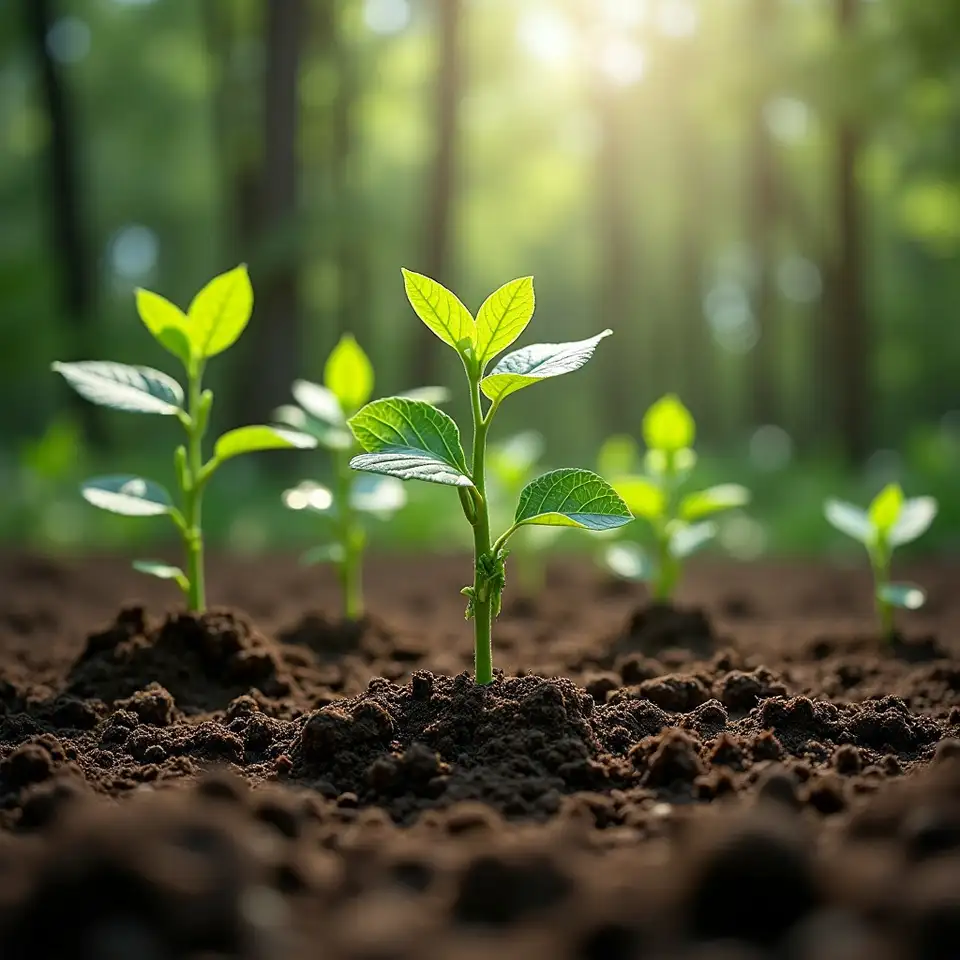
Dig deeper

Avoiding common mistakes

Every forest is unique, but missteps often look the same: overharvesting, monoculture, or short-term leases. I advocate for a patchwork—small stands, mixed planting, diverse income sources. That’s where resilience grows.

Looking past labels

Eco-certifications sound attractive, but are only meaningful when coupled with robust on-ground practices. I always review the audit trail—who’s verifying, and what criteria are in play? Without that, a green stamp doesn’t mean much.
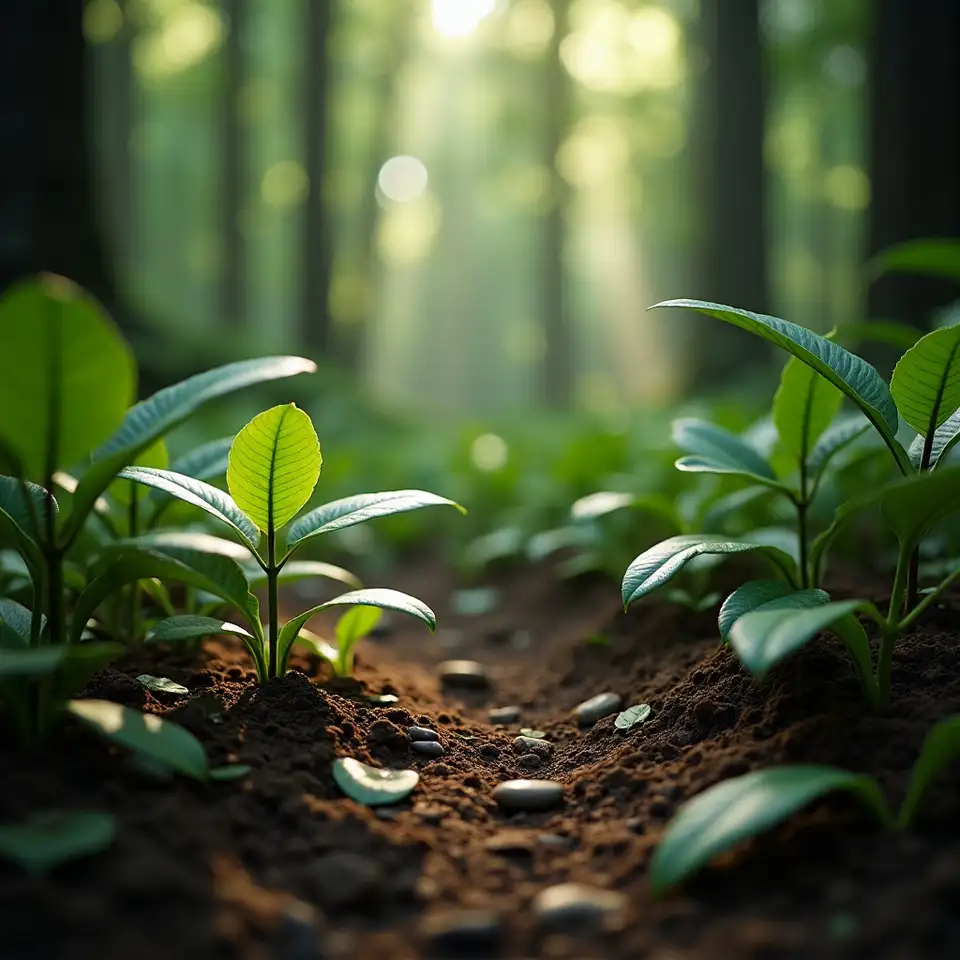

Indian forest floor detail
Forestry team meeting in field

Balancing the budget

Budget pressures can push for shortcuts. I question these, suggesting instead methods that spread costs and returns over time. Community involvement is one tool I find effective, as it builds local investment and accountability.

Understanding the ground

Land access is no trivial matter in India. I make a point to check tenure arrangements and community rights before any commitment. These legal details can make or break a forestry venture.


Consultation in a green forest area

Let’s talk forestry

Explore your options with a calm, evidence-based approach to forestry in India
I avoid one-size-fits-all answers in forestry. Instead, I compare various land-use models, always asking how each aligns with long-term environmental and social needs. My experience suggests that slow, careful observation beats rapid expansion. If you have questions or want a second opinion on sustainable forestry, I’m happy to discuss further.
Ask now
Dense forest with sunlight in India

Why I question conventional forestry investment models and what a more sustainable approach can look like

The obvious approach: treat trees as static commodities. I prefer to think in living analogies—forestry as a dynamic resource. In India, the tension between rapid land conversion and ecological stewardship is acute. Where others might chase trends, I scrutinize land tenure, native species, and community involvement. Each project is a patchwork of constraints and possibilities. Carbon sequestration and habitat restoration sit beside concerns of regulatory compliance. No blueprint fits every site. Instead, I consider the overlapping needs of investors, local people, and future generations. It’s less about maximizing any single metric, more about balance. The challenge: translating environmental benefit into lasting value.

Many see forestry as a straightforward asset, but that’s a narrow view. I see it as a living system—vulnerable to policy shifts, market cycles, and ecological shocks. A careful review of both the environmental and fiscal aspects brings a clearer picture for those who wish to approach investment thoughtfully.

Too often, portfolios ignore the value of biodiversity and the role of local communities. I focus on the full spectrum—soil, water, local jobs—rather than only what grows above ground. That’s where sustainable forestry stands apart from short-term speculative ventures.

Principles in practice

First, the wrong way: viewing forests as short-term, extractive assets. This method typically overlooks regeneration, ignores local ecology, and often leads to degradation. Instead, I start with the basics: soil health, water management, and the mosaic of tree species. In the Indian context, this means accounting for the monsoon, local livelihoods, and government regulation. I avoid monoculture temptations, favoring mixed-wood approaches that buffer against disease and market shocks. The right approach asks: Who benefits, and for how long? I see value in methods that integrate community forestry, giving local people a say in what’s planted, how it’s harvested, and when. Returns—both ecological and financial—flow from respecting these fundamentals, not from chasing market momentum.

Team planting saplings in Indian soil

Sustainable forestry in action

The quick fix: plant fast-growing trees, harvest, repeat. But that approach neglects the underlying health of the land. I’ve seen more resilience in forests managed with mixed species, rotation schedules, and attention to water cycles. Care for the ecosystem, and returns tend to follow over time.
I prefer strategies that consider not just trees, but also the people tending them and the broader landscape. Success is measured not by annual output alone, but by the ability of a forest to withstand drought, pests, and policy changes. That’s where true sustainability lives.

What sets sustainable forestry apart from conventional asset approaches

Most view forests as static assets, but I compare them to living portfolios—dynamic, shifting, and always demanding close attention. This approach pushes past easy answers and quick-fix models.

Stewardship beyond timber yield

Conventional timber plantations often chase fast returns, sometimes to the detriment of soil and water health. I approach forestry as a slow, living process. Good forest stewardship values soil, water, and biodiversity alongside long-term yield.

Clarity in land access and rights

Short-term thinking ignores the complex realities of Indian land tenure. I prioritize clear, transparent ownership and legal structures. This protects all parties—landholders, investors, and local communities.

Holistic, ground-up perspective

Many focus on what is visible—tree trunks, canopy, wood volume. I look underground: root systems, water tables, and living soil are the foundation of sustainable growth. This holistic approach reduces risk and builds resilience.

Balancing portfolios and ecosystems

Some dismiss forestry as a luxury in eco portfolios. I see it as a stabilizer—balancing returns with ecological and community value. Sustainable forestry can complement other assets by adding long-term diversity.

Work with complexity

Choose durability

The quick route—plant, cut, repeat—rarely delivers over the long haul. I look for systems that build up soil and local know-how. That’s what endures.

See the full picture

Many portfolios ignore the value of buffer zones and wildlife corridors. I insist these are not extras but essentials, especially in the Indian landscape.

Wildlife buffer in Indian forest

Plan for change

Financial models built solely on timber volume miss the unpredictable—storms, pests, shifting policies. I build in flexibility, not just yield targets.

Team planning sustainable forest
Looking for a measured, evidence-based perspective on sustainable forestry? I’ll review your scenario, compare it to alternatives, and share what I’ve learned—no pressure, no pitch.

This site uses cookies to enhance your browsing experience, analyze site usage, and help us improve our services. You can manage your cookie preferences or learn more about our use of cookies by reviewing our policy.